The institutions and partnerships that were built over decades and once defined U.S. leadership in global conservation have been unraveled. As we work with colleagues to find new pathways for necessary conservation work, we don’t see it as a moment to rebuild the past. It’s a moment to ask bigger questions: What kind of global conservation system do we need now? And what kind of U.S. role could help bring it to life?
At Environmental Incentives, we’ve spent decades helping diverse groups work together to drive change—whether that’s USAID’s biodiversity collaborative learning groups, California water resource managers advancing sustainability, or researchers and practitioners strengthening WASH systems. Alongside our partners at Foundations of Success, we know that collective action and adaptive learning are not just buzzwords—they’re the foundation for building institutions that can thrive in dynamic political and ecological realities.
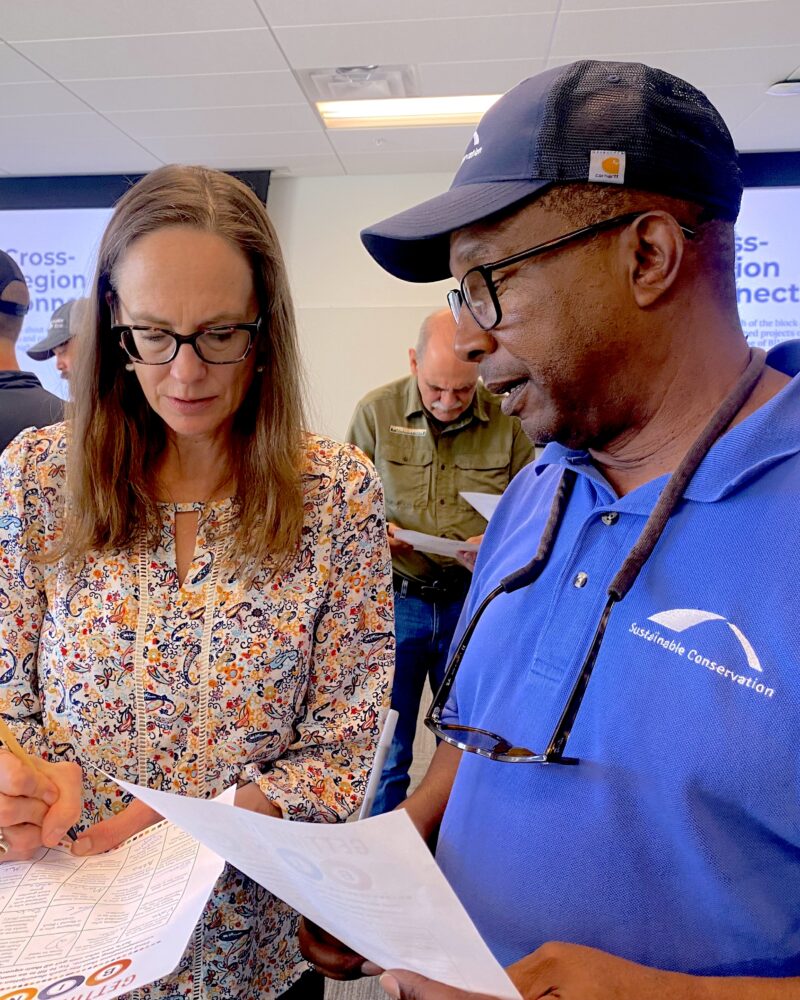
Recently, at events with the Environmental Incentives Alumni Network and with partners at Climate Week NYC, we co-organized and participated in conversations about Reimagining the United States’ role in global conservation. What struck us most wasn’t just the energy in the room—it was the size and diversity of the community that showed up. At Climate Week NYC, more than 100 people joined across our internal and public sessions, with another 100 on the waitlist. Clearly, there is deep appetite for rethinking the U.S.’s role in global conservation.
What We Heard
Several insights stood out from conversations with our colleagues:
- Political space remains: Participants currently connected to policymakers reminded us that there is still a bipartisan coalition in Congress that cares deeply about global conservation, though they are facing significant headwinds right now. Encouragingly, this means we may not need to rebuild political support from scratch when the moment comes.
- Blueprint vs. Playbook: Instead of drafting a single detailed plan, many participants urged us to think in terms of a playbook—a set of well-developed options that can be picked up and adapted when the policy window opens, whatever the circumstances.
- Integration vs. Independence: A critical tension emerged around whether U.S. conservation efforts should be fully integrated into broader development priorities (health, livelihoods, security) or housed in a stand-alone structure. Likely, we will need both—but the tradeoffs deserve real debate.
Looking Forward
This is only the beginning. Over the coming months, our working groups will be building out the playbook—surfacing options, testing ideas, and making sure we’re ready when the opportunity arises to reshape U.S. engagement in global conservation.
What gives us hope is not only the ideas that surfaced, but the community itself. The people in the room—practitioners, policymakers, funders, advocates—brought energy, honesty, and courage to the discussion. And those who couldn’t get in the room showed us how much interest there is in staying engaged.
For us, the takeaway is clear: we don’t want or need to rebuild exactly what was lost. We have a chance to build something different—more flexible, inclusive, and effective. And if the energy at Climate Week was any indication, we’re not doing this alone.
Join the mailing list to get involved with Reimagining Global Conservation: https://lnkd.in/ePZY4FJB
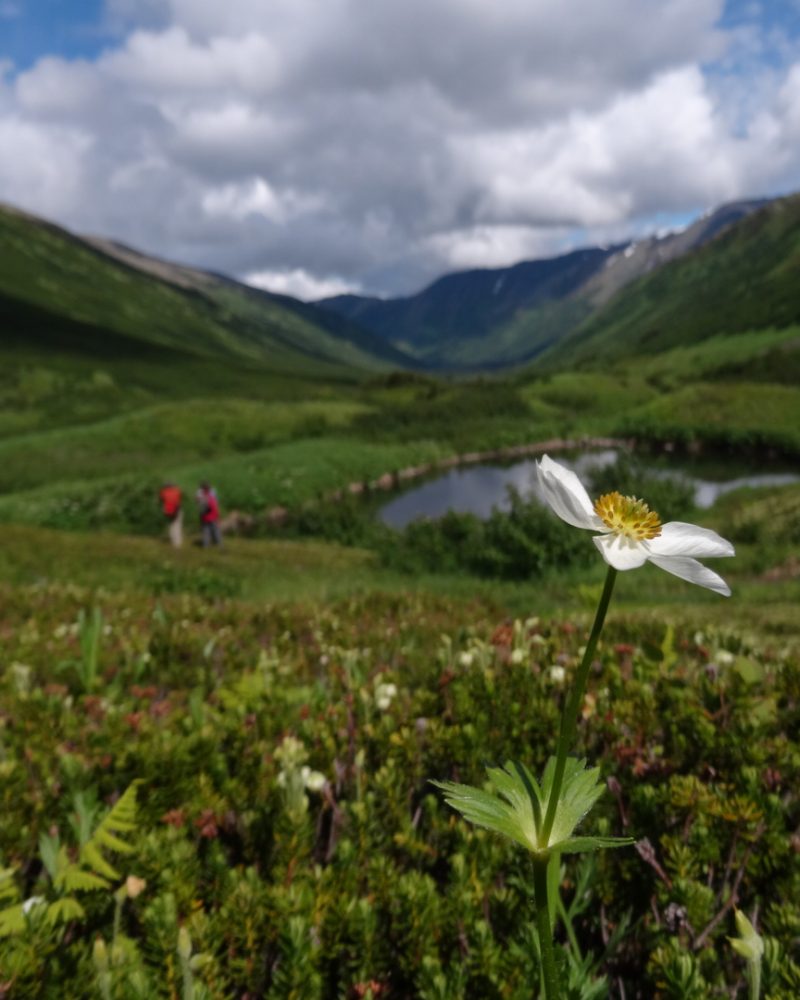
Photo by Jason Houston for USAID’s Measuring Impact.